Change management for live trading systems
- Severity
- Moderate
- Status
- Published
- Affected area
- Change Management
- Published
- Last reviewed
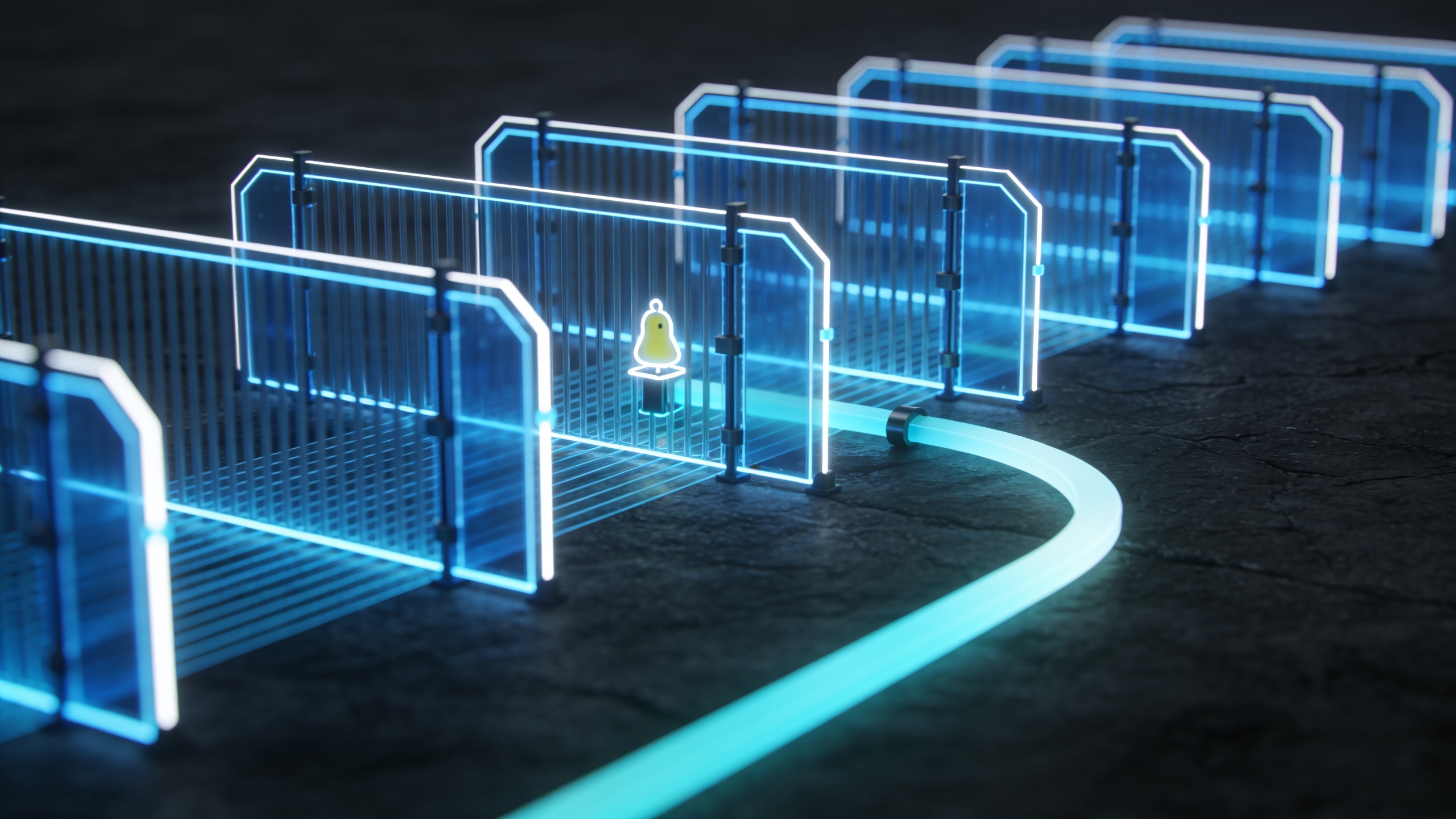
Ask an experienced operator what most often takes down a trading system and the answer is rarely an attacker. It is a change, a deploy, a config edit, a parameter tweak, pushed to production with more confidence than caution. Automation means a flawed change does not fail quietly; it fails at machine speed, across every order, before anyone can react. Change management is the discipline that stops your own improvements from becoming your own incidents.
§01The riskiest thing you do is deploy
A live trading system is a system whose behaviour you deliberately alter while it holds risk. That is inherently dangerous, and it deserves proportionate ceremony. Every change should be reviewed by someone other than its author, tested against a realistic simulation, and traceable, what changed, who approved it, and why, so that when behaviour shifts, the first question, "what did we just change", has an instant answer.
§02Canary before fleet
The safest way to learn whether a change is sound is to expose it to a small, bounded slice of reality first. A canary deployment routes a fraction of activity, one instrument, one account, a capped notional, through the new code and watches it against the old before committing the rest. If the canary misbehaves, the damage is contained to a deliberately small surface. Rolling a change straight to the whole fleet is the operational equivalent of skipping the pre-trade check.
§03Rollback must be faster than the failure
A change process is only as safe as its reverse gear. The ability to roll back to the last known-good version must be rehearsed, fast, and available under stress, including the moment the new version is actively misbehaving. Configuration and strategy parameters deserve the same versioning and one-command revert as code. And when a change interacts badly with live markets, the kill-switch is the backstop that buys time to roll back calmly rather than in a panic.
§04Boring deploys, by design
The mark of a mature operation is that deploying to a live trading system is unexciting: reviewed, canaried, observed, and instantly reversible. The goal is not to change less but to change safely, so that progress does not require courage. This advisory is educational and illustrative and is not engineering or investment advice for any specific system.